



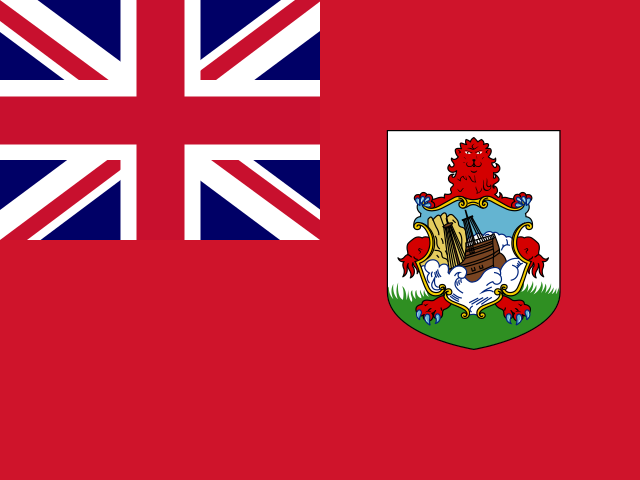




Crypto license in Bermuda
From CryptoLicenseWiki, the free encyclopedia of crypto licenses · Last updated
Independent information service. CryptoLicenseWiki is not a regulator, an exchange or a licensing agent. It is not affiliated with the Bermuda Monetary Authority (BMA). The only authoritative record of who holds a license is the regulator's own public register: BMA list of licensed entities.
In short: Digital asset business licence (Class F full licence, Class M modified licence or Class T test licence) from the Bermuda Monetary Authority (BMA).[1] Minimum capital: Not confirmed. Travel Rule: not confirmed. Compensation if the firm fails: none. As of November 2026.
Bermuda licenses digital asset businesses under the Digital Asset Business Act 2018, supervised by the Bermuda Monetary Authority (BMA). Its tiered licences let firms start with a restricted test licence before applying for a full licence.
License types
The license used by crypto businesses in Bermuda: Digital asset business licence (Class F full licence, Class M modified licence or Class T test licence).[1] Legal basis: Digital Asset Business Act 2018.[1]
- Class F – full licence
- Class M – modified licence for a limited period
- Class T – test licence for pilots
Capital and financial requirements
Minimum capital in Bermuda (2026): Not confirmed.
Application fee: Not confirmed.
Capital is only the regulatory floor. Staff, audit, compliance, security and technology usually cost more than the capital itself.
Application process
Decision time: Not confirmed. The usual steps are:
- Discuss the proposal with the BMA.
- Apply for the appropriate class with business plan, governance, custody and AML/CFT documents.
- Meet the licence conditions before starting operations.
Substance and governance
Not confirmed.
Client protection
What the rules in Bermuda require, as of November 2026. See Client protection for the same rules in every jurisdiction.
| Protection | Rule in Bermuda |
|---|---|
| Travel Rule | Not confirmed. |
| Client asset segregation | Required: client assets must be held separately from the firm's own.[1] |
| Custody | Not confirmed. |
| Compensation if the firm fails | None. |
| Serving clients abroad | No. |
Number of licensed firms
Licensees are listed by the BMA.[1]
The public register is the only current source of who holds a license.
How to verify a license
- Find the exact legal name and license number of the entity you would contract with, usually in the website footer or the client agreement.
- Search for it on the regulator's own register: BMA list of licensed entities.
- Check that the website address and contact details on the register match the site you are using, to rule out an impostor site.
- Check which group entity your account would be opened with: crypto brands often run several entities under different regulators.
Frequently asked questions
What is a Class T licence?
A test licence that lets a firm pilot a digital asset business on a limited basis before applying for a full licence.
Figures as of November 2026. Requirements, fees and capital change; confirm with the BMA or a qualified adviser before applying. Where we could not confirm a figure from an official source, this article says so.
See also
- Crypto licenses compared
- Crypto license in the United States
- Crypto license in Canada
- Crypto license in the Cayman Islands
- Crypto license in the Bahamas
- How to verify a crypto business's license
- All jurisdictions
References
Entries marked Official are the regulator, the law or another public body.
- Official Bermuda Monetary Authority. BMA. Accessed November 2026.
Spotted an error or something out of date? Editors check every suggestion against its source, preferably the regulator's own website, before changing the article.